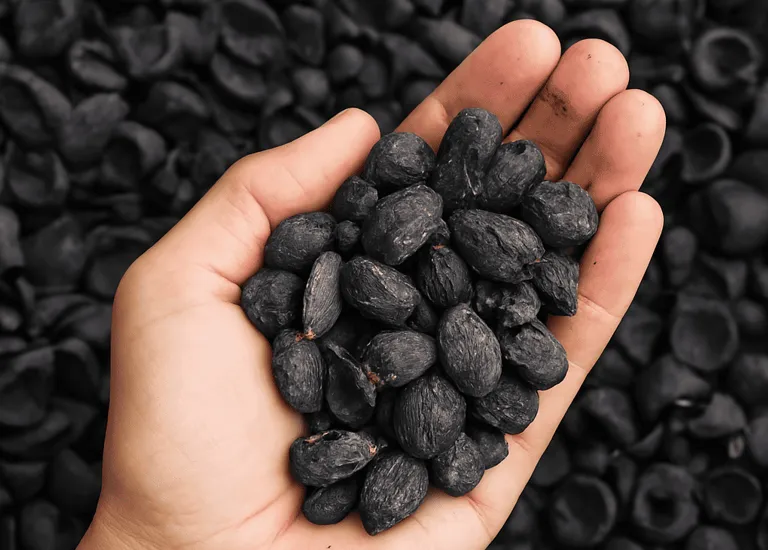
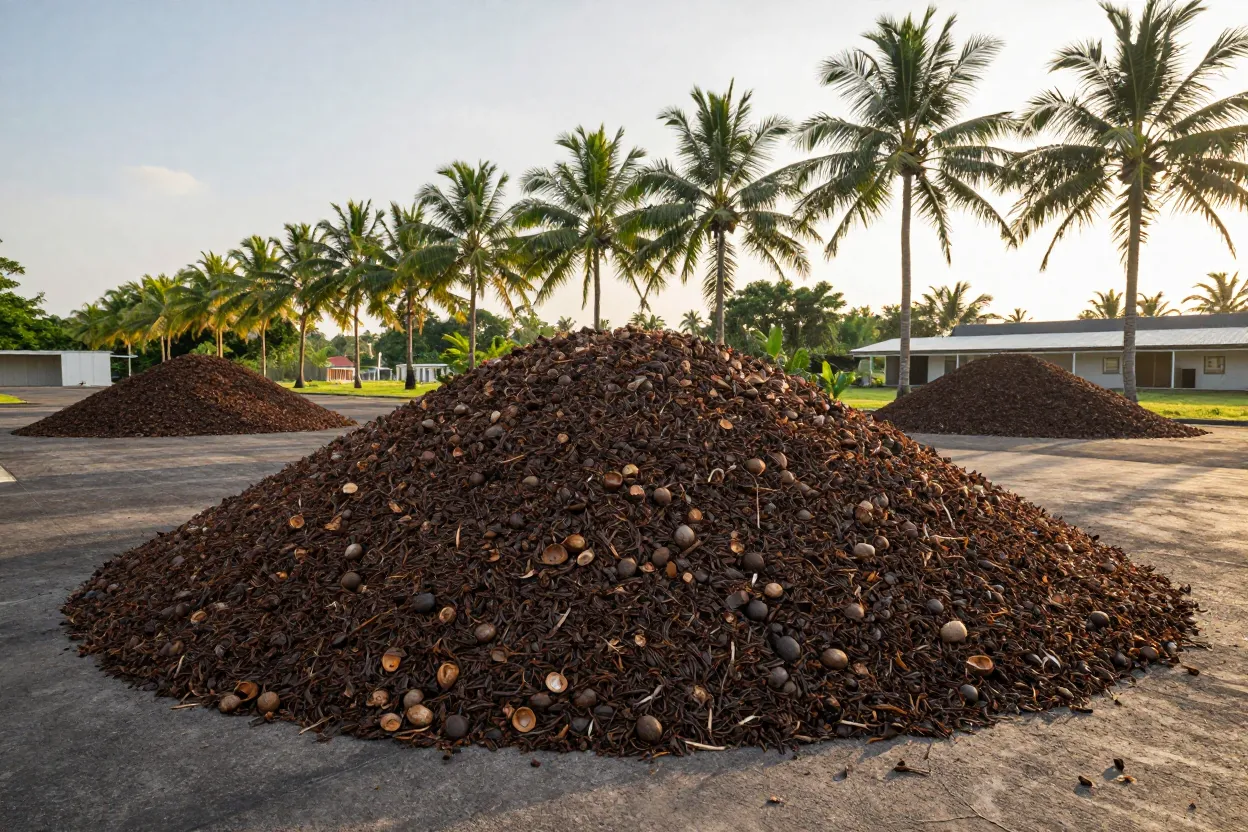
As carbon regulations tighten and sustainability becomes a business requirement, Malaysian industries are increasingly replacing coal with biomass fuels. Palm kernel shell (PKS) has emerged as the leading alternative — not just because it's green, but because it makes economic sense.
Head-to-Head Comparison
Calorific Value
Coal delivers 20-25 MJ/kg while PKS provides 16-18 MJ/kg. Coal has more energy per kilogram, but the gap is smaller than most people think — PKS delivers about 70-80% of coal's energy output. For many industrial applications, this difference is easily managed by adjusting feed rates.
Cost per Unit of Energy
Here's where PKS wins. Despite lower calorific value, PKS is significantly cheaper per tonne than coal in Malaysia. When you calculate cost per megajoule of energy produced, PKS typically costs 30-50% less than imported coal. Malaysia imports most of its coal from Indonesia and Australia, so prices fluctuate with global markets. PKS is locally produced with stable pricing.
Carbon Emissions
PKS is classified as carbon neutral in lifecycle analysis — the CO2 released during combustion was absorbed by the palm tree during growth. Coal releases fossil carbon that has been locked underground for millions of years. For companies reporting to sustainability frameworks (GRI, CDP, or TCFD), switching to PKS directly reduces Scope 1 emissions.
Availability
Malaysia produces over 4 million tonnes of PKS annually as a by-product of palm oil extraction. This supply is reliable and growing. Coal, by contrast, is entirely imported. Supply disruptions, shipping delays, and price spikes are common risks for coal-dependent operations.
Ash Content
PKS produces only 1-3% ash when burned, compared to 10-15% for typical coal. This means less waste disposal, lower maintenance costs for boiler cleaning, and fewer environmental issues with ash management.
Who's Already Switched?
Major Malaysian cement manufacturers have integrated PKS as a co-firing fuel, replacing up to 30% of their coal consumption. Rubber glove factories, palm oil refineries, and food processing plants have fully converted to PKS boilers. Japanese and South Korean power companies import Malaysian PKS for their renewable energy portfolios.
Making the Switch
Most existing coal boilers can co-fire PKS with minor modifications. A gradual transition — starting with 20-30% PKS blending — allows operators to optimize combustion settings before full conversion.
Supply from S&S Coco Trading
We supply premium-grade palm kernel shell in bulk for industrial customers. Our PKS is sourced directly from Malaysian palm oil mills with consistent size (5-20mm), low moisture content (below 15%), and minimal foreign matter. Contact us for trial shipments or regular monthly supply contracts.