When buying cocopeat, one of the first decisions you'll face is format: should you buy compressed coco blocks or loose cocopeat? Both come from the same material, but they differ in handling, storage, cost, and convenience. Here's a detailed comparison to help you decide.
What Is a Coco Block?
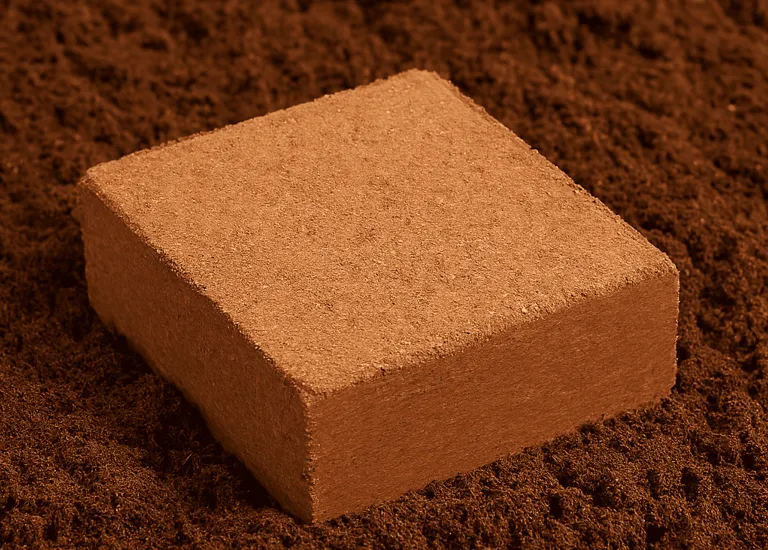
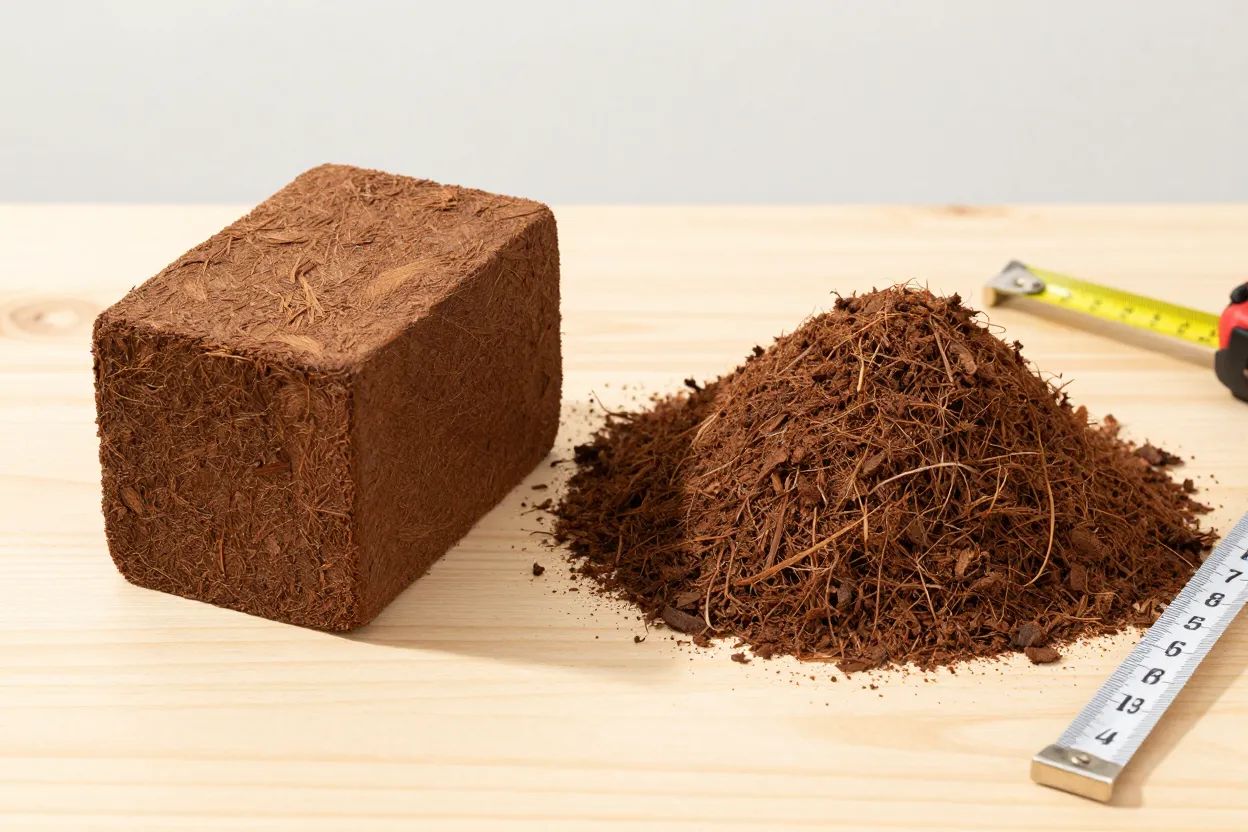
A coco block (also called a cocopeat brick) is cocopeat that has been compressed under high pressure into a solid block. The standard size is 5 kg, which expands to approximately 60-75 liters when soaked in water. The compression ratio is typically 5:1, meaning the block takes up only one-fifth of the volume of the expanded material.
What Is Loose Cocopeat?
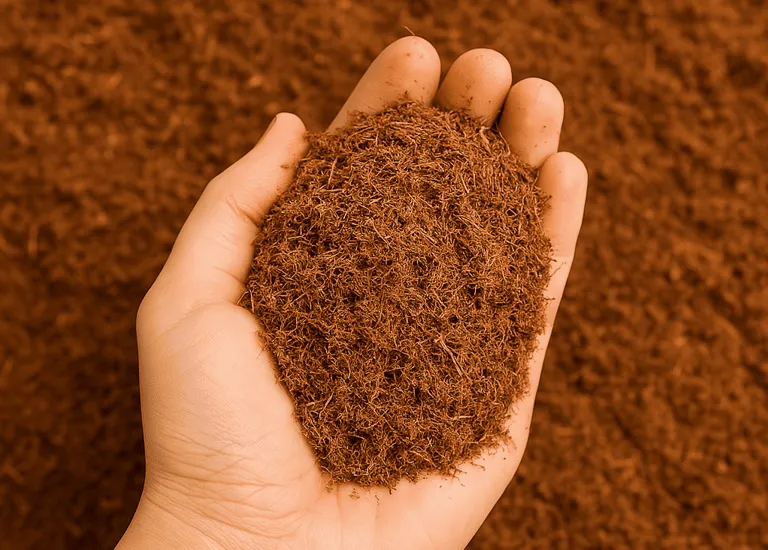
Loose cocopeat is the uncompressed, ready-to-use form. It comes in bags or bulk and can be used immediately without hydration. The texture is fluffy, with consistent moisture content typically between 15-20%.
Side-by-Side Comparison
Storage and Transport
Coco blocks win. A pallet of compressed blocks holds 5 times more material than the same pallet of loose cocopeat. This means lower shipping costs, less warehouse space, and easier handling. For export customers, coco blocks are the obvious choice — they fit more product into a container.
Convenience
Loose cocopeat wins. Open the bag and it's ready to use. No soaking, no waiting, no breaking apart blocks. For nurseries processing hundreds of pots daily, this time saving adds up. Loose cocopeat is also easier to mix with other materials like compost or perlite.
Cost per Liter
Coco blocks generally cost less per liter of usable material because compression reduces shipping costs. However, you need to factor in the labor time for hydrating and breaking apart blocks. For large operations with automated hydration systems, blocks are more economical. For smaller operations doing manual prep, loose may be more practical.
Quality Consistency
Equal. Both formats can deliver the same EC, pH, and fiber content — it depends on the supplier, not the format. At S&S Coco Trading, both our blocks and loose cocopeat are processed from the same raw material with identical quality control standards.
Shelf Life
Coco blocks win. Compressed blocks have lower moisture content and are less susceptible to fungal growth during storage. They can be stored for 12+ months without degradation. Loose cocopeat should ideally be used within 6 months to maintain optimal quality.
Which Should You Choose?
- Choose coco blocks if: You're exporting, need long-term storage, want lower shipping costs, or have hydration equipment.
- Choose loose cocopeat if: You need immediate use, process large volumes daily, prefer convenience over cost savings, or mix custom blends.
- Consider both: Many businesses keep coco blocks in storage as backup inventory and use loose cocopeat for daily operations.
Order from S&S Coco Trading
We supply both compressed coco blocks (5 kg standard) and loose cocopeat in bulk. All products are processed at our Perlis factory with consistent quality control. Whether you need a trial order or regular monthly supply, contact us for pricing and delivery across Malaysia.